Partner with Us или Let’s Collaborate
Tell us a bit about your platform and what kind of partnership you have in mind.
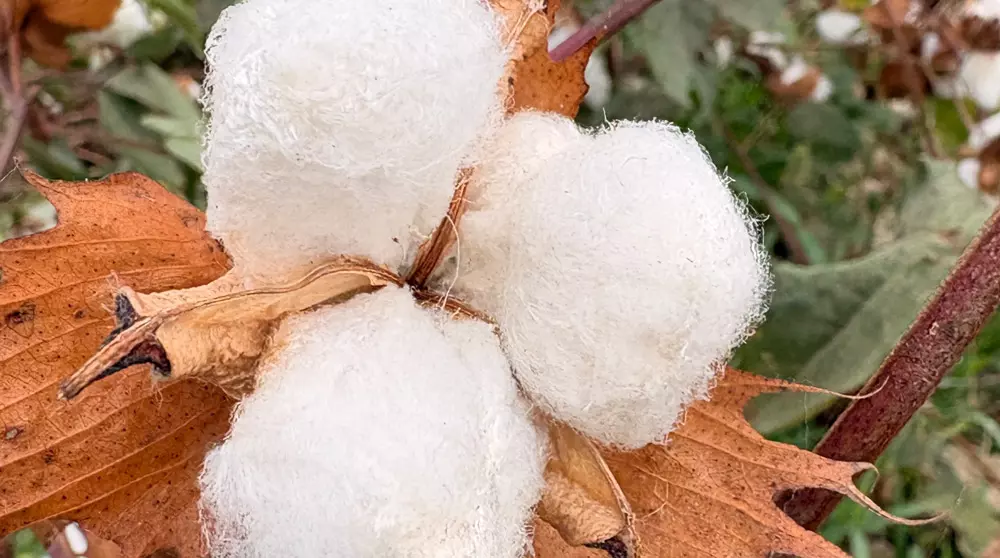
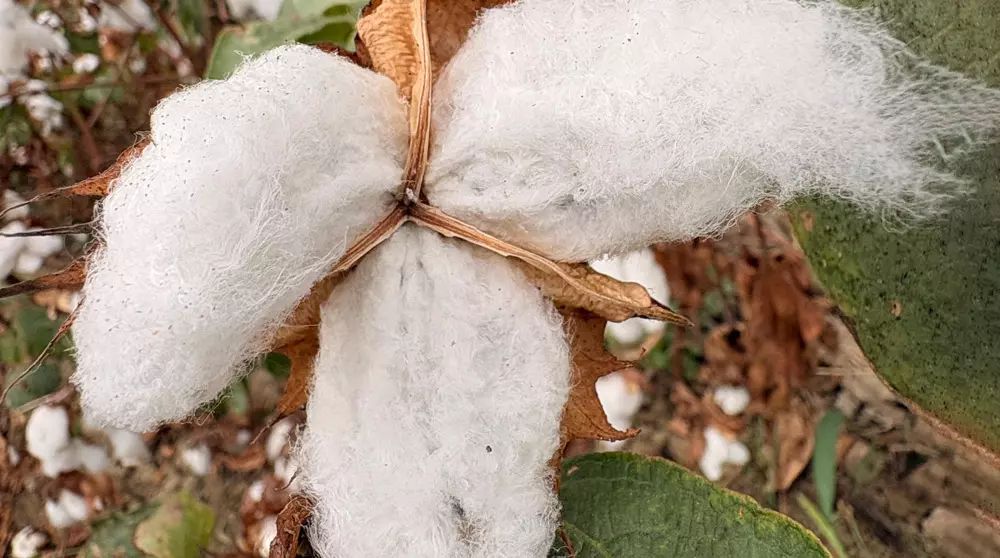
Bremen, Germany | International Centre of Excellence in Cotton Testing
What makes cotton truly premium? Science can measure it!
Established in 2011, ICA Bremen is an internationally recognized center of excellence in cotton testing, research, and professional classification, bringing together expertise from the International Cotton Association, Bremen Cotton Exchange, and Bremen Fibre Institute.
What makes ICA Bremen exceptional?
ISO/IEC 17025 Accredited — Internationally recognized laboratory competence.
ISO 9001 Certified — International quality management standards.
Global Cotton Authority — One of two World Cotton Contract classing authorities, alongside the USDA.
Worldwide Recognition — Evaluates and certifies cotton-testing laboratories internationally.
Scientific Expertise — Advanced fiber testing supported by cotton research.
WHY PIMA PRIMA® CHOSE ICA BREMEN
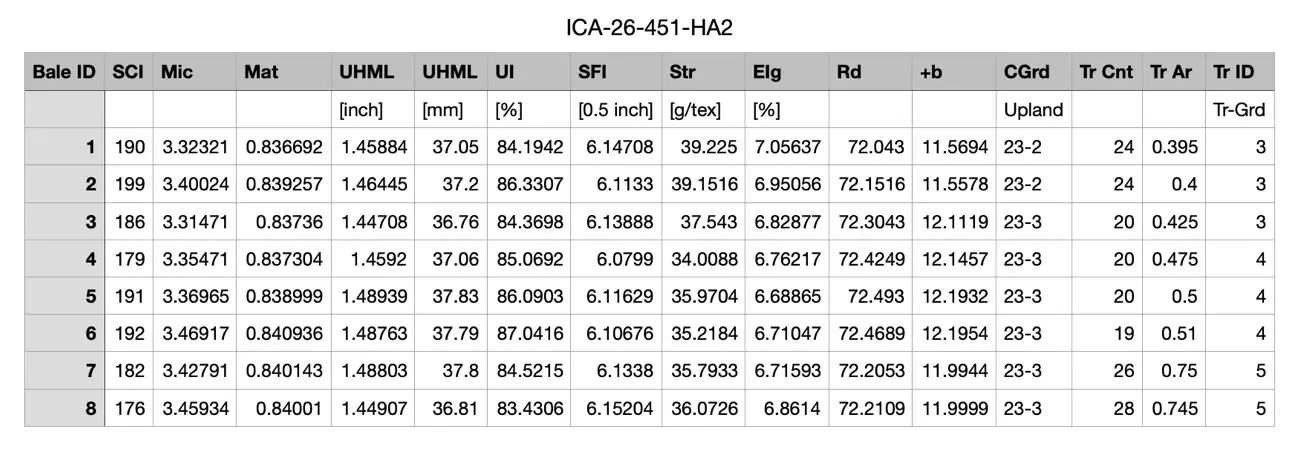
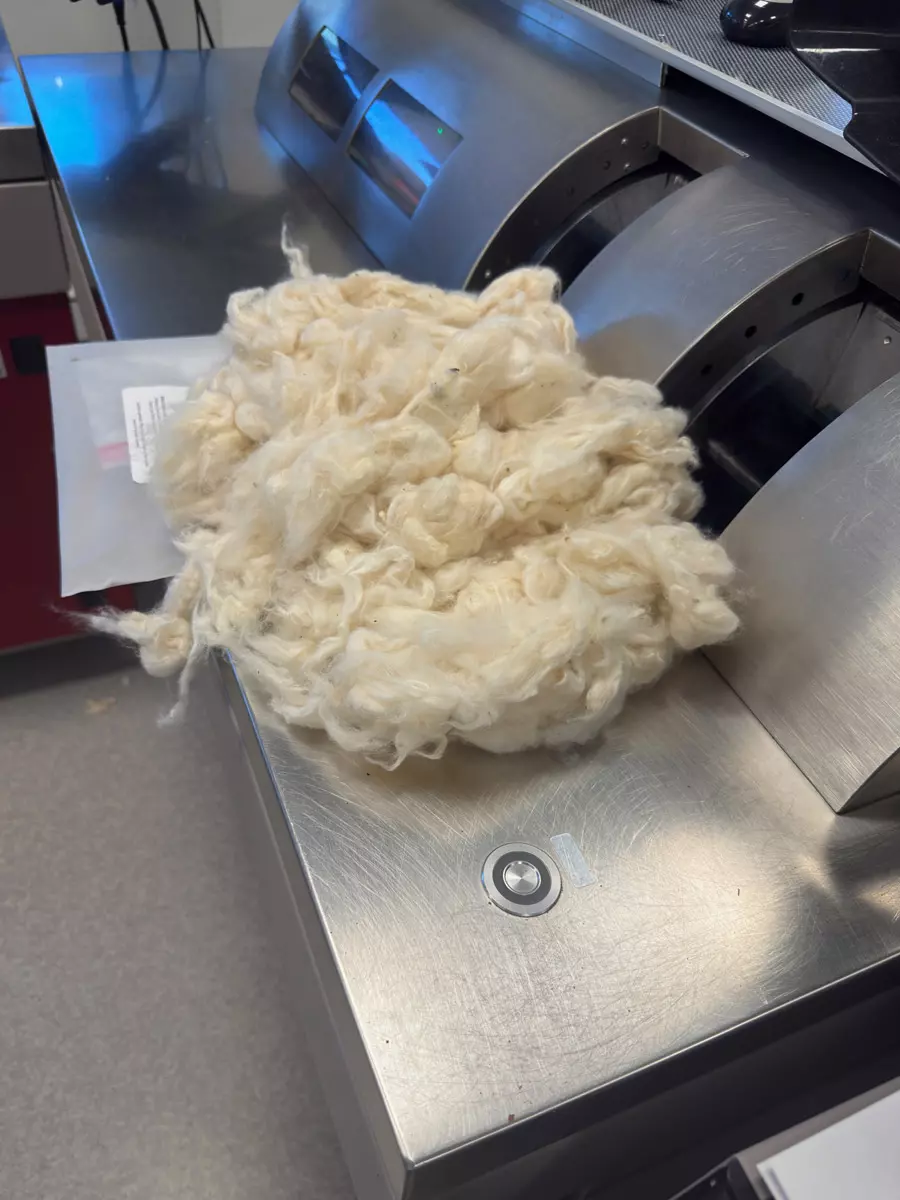
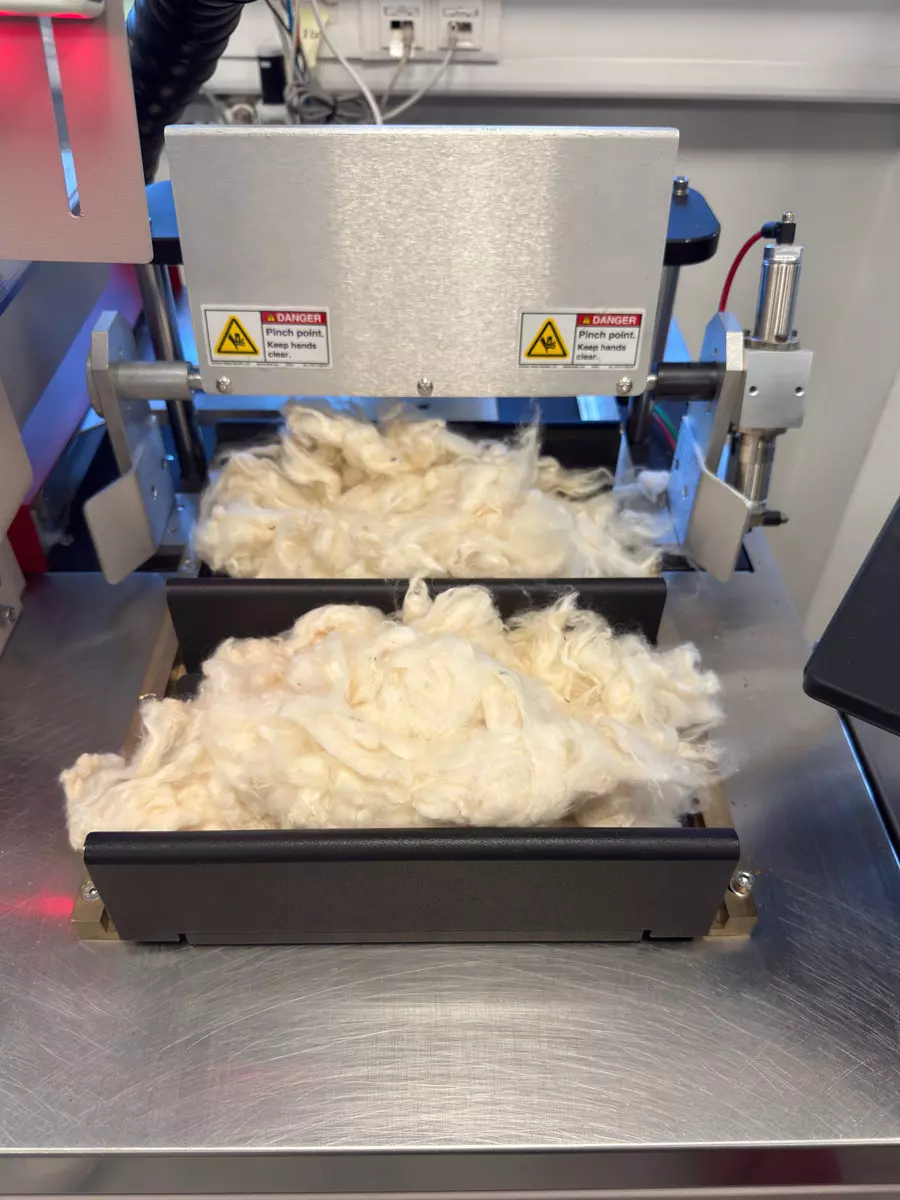
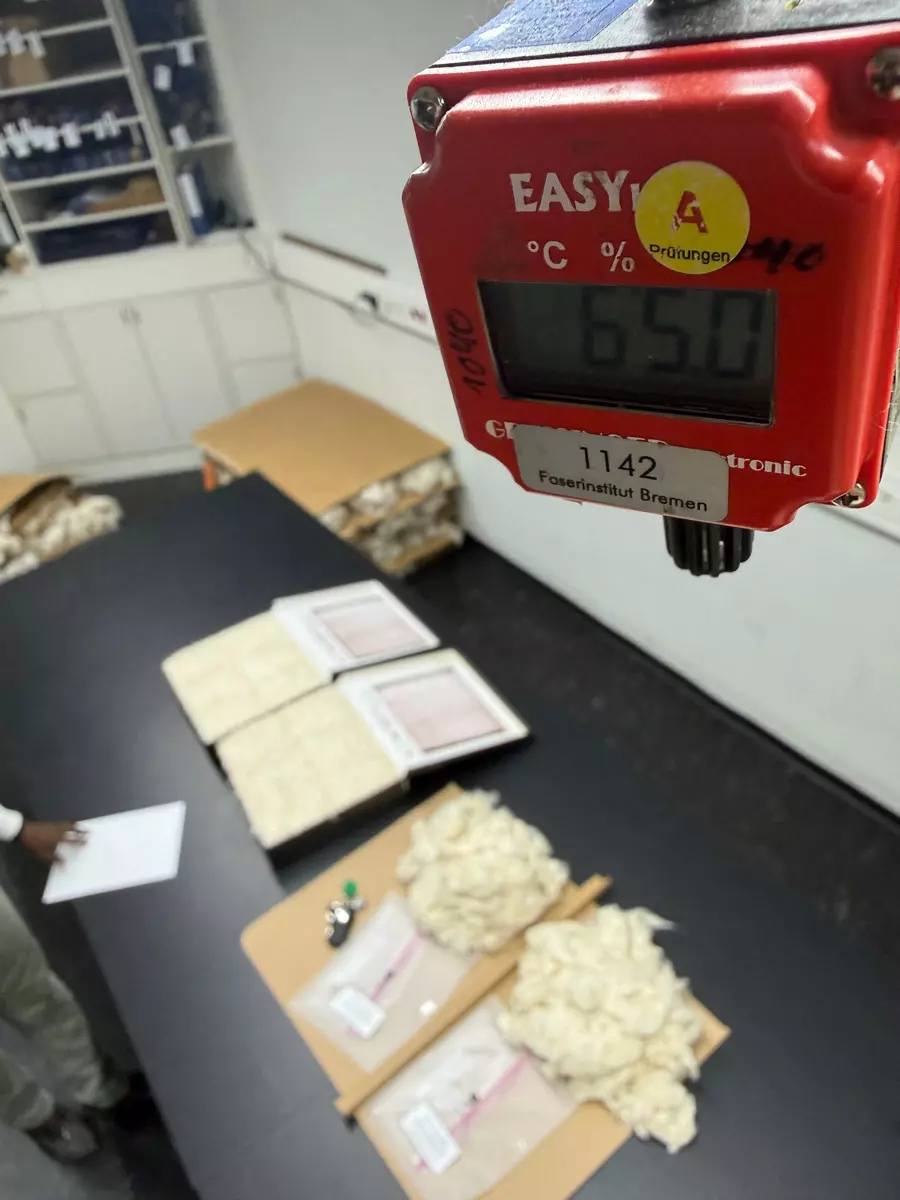
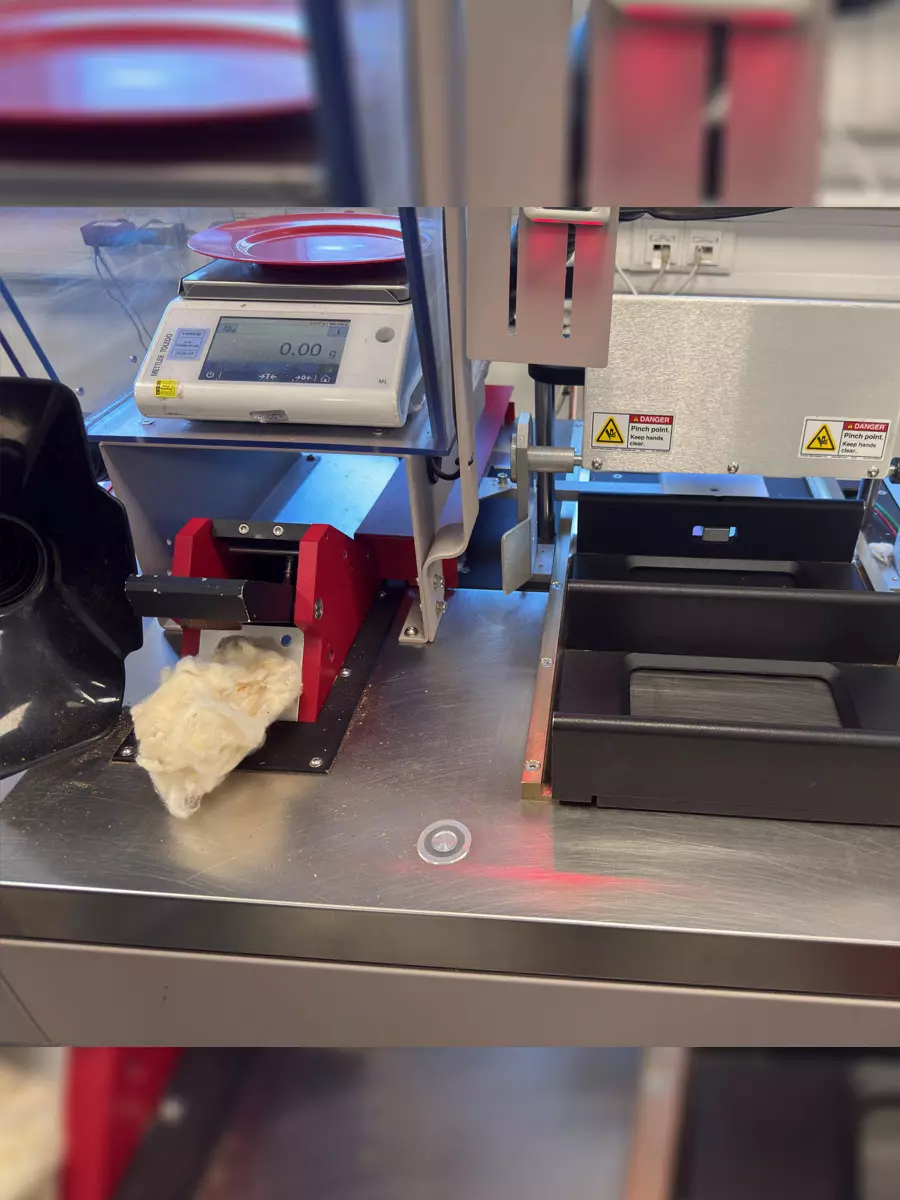
We chose ICA Bremen to independently evaluate the physical quality of our cotton using HVI testing and professional manual classing.
These methods measure fiber length, strength, uniformity, and micronaire — the characteristics that help determine cotton quality.
Because true premium quality should be measured, not just promised.
ISO/IEC 17025 · ISO 9001 · GLOBAL COTTON AUTHORITY
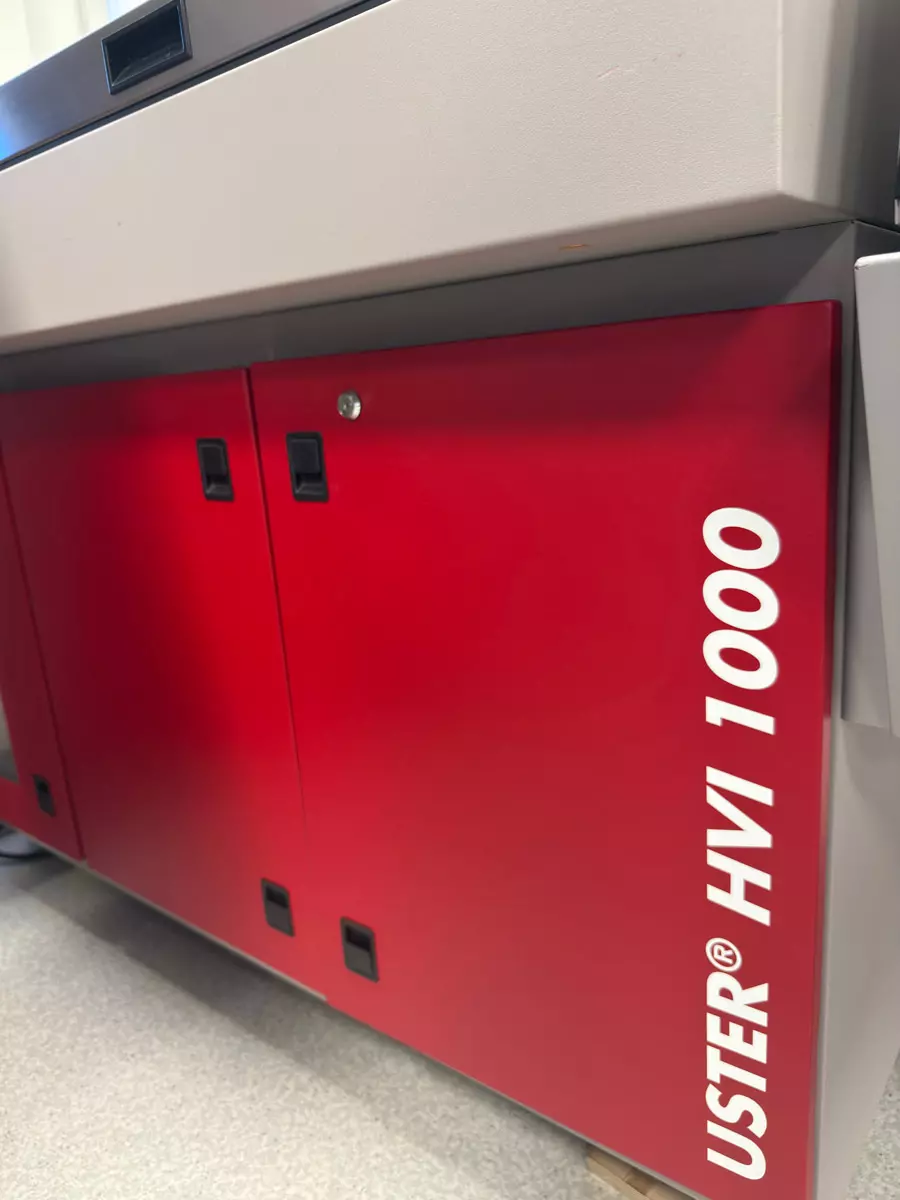
HVI TESTING (High Volume Instrument)
HOW DOES HVI TESTING WORK?
Imagine giving cotton a scientific health check!
HVI is a special machine that measures the physical qualities of cotton fibers. It helps scientists understand how strong, long, and uniform the fibers really are.
1. Fiber Length — How Long?
The machine measures the length of cotton fibers. Longer fibers can help create smoother, finer, and stronger yarn.
2. Fiber Strength — How Strong?
The machine pulls a bundle of cotton fibers until it breaks, measuring how much force they can withstand.
3. Uniformity — How Even?
Are the fibers mostly the same length, or are some much shorter than others? HVI measures how consistent their lengths are.
4. Micronaire — How Fine and Mature?
HVI measures a special value called micronaire, which is influenced by fiber fineness and maturity.
5. Color & Cleanliness — How Pure?
The machine evaluates cotton color and detects visible impurities, such as tiny pieces of leaves.
WHY DOES IT MATTER?
Two cotton samples may look equally soft and beautiful, but their fibers can have very different physical properties.
At Pima Prima®, we believe premium quality should be measured — not just promised.
***
MANUAL CLASSING
HOW DOES MANUAL CLASSING WORK?
The Human Eye Behind Cotton Quality
Can an experienced cotton expert discover things that a machine might miss?
That’s where Manual Classing comes in!
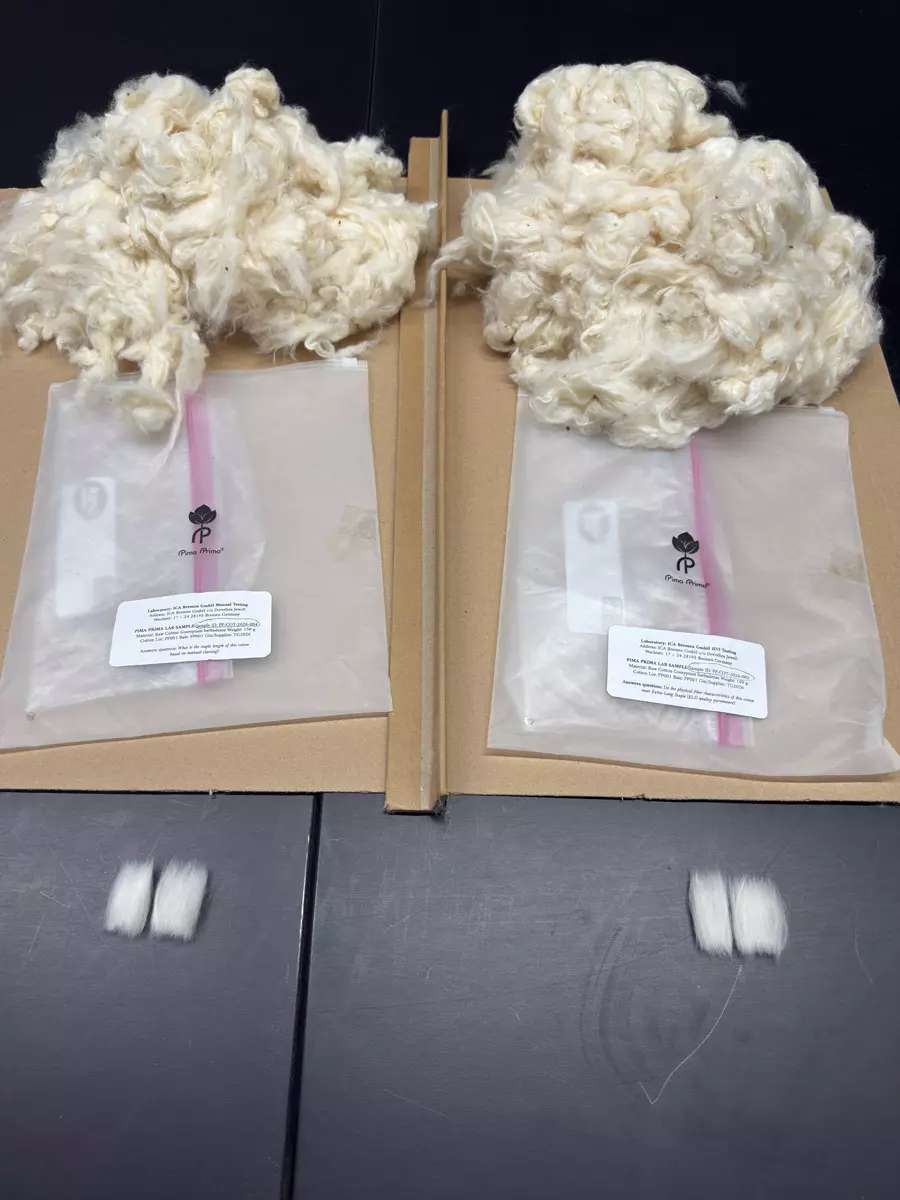
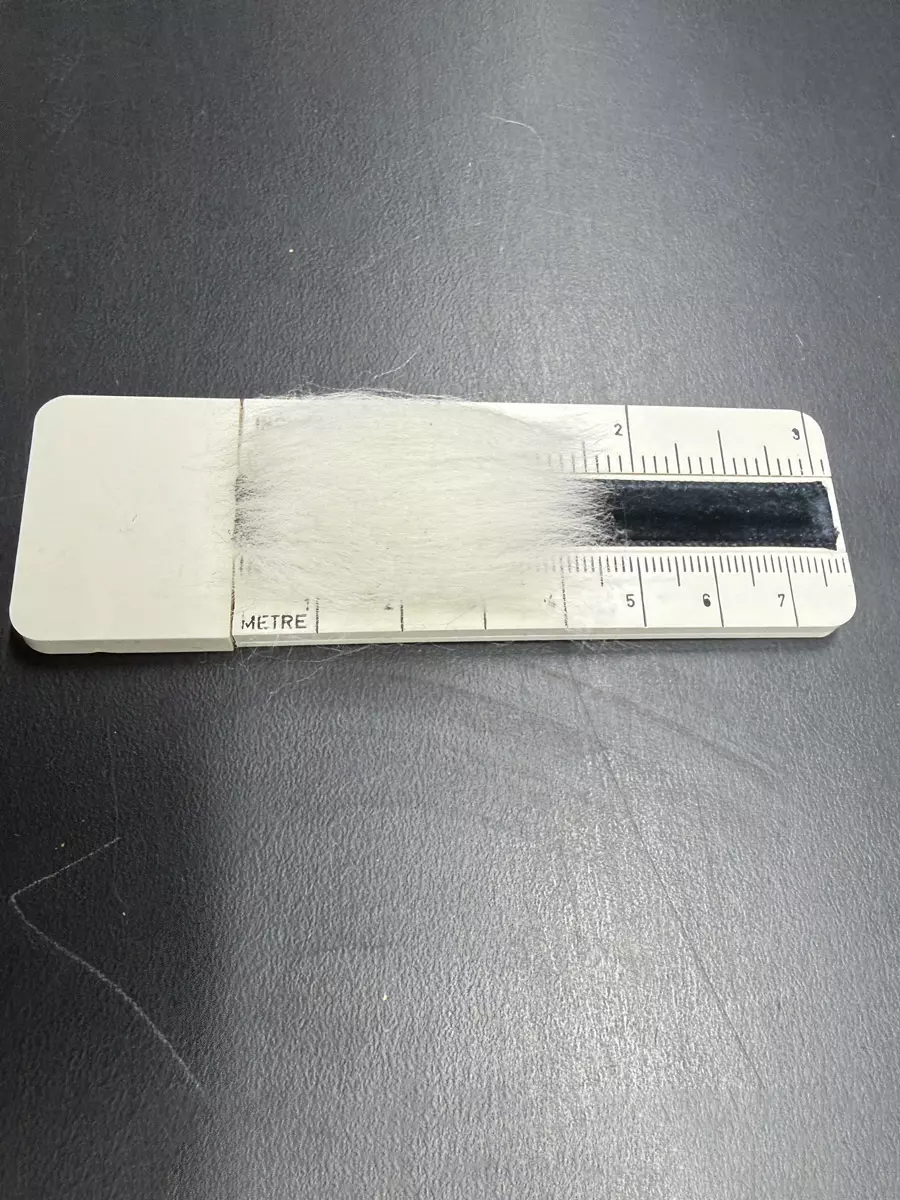
Manual Classing is a traditional method of evaluating cotton quality, performed by trained specialists using their eyes, hands, and professional judgment.
1. Examine the Color
Experts carefully inspect the cotton under controlled lighting, looking for differences in color and appearance.
2. Check for Impurities
They look for tiny pieces of leaves, seeds, and other unwanted materials mixed with the cotton.
3. Examine the Fibers
Using their hands, specialists can gently pull cotton fibers to make a visual assessment of their length and appearance.
4. Assign a Quality Grade
The cotton is compared with established classification standards to determine its grade.
WHY DOES IT MATTER?
Machines provide precise measurements. Experienced cotton specialists add trained human judgment.
At Pima Prima®, we believe exceptional quality deserves both scientific measurement and expert evaluation.
ISOTECH | STRATUM RESERVOIR
Champaign, Illinois, USA | Isotope Analysis Experts Since 1985
Can cotton reveal where it was grown? Science says yes!
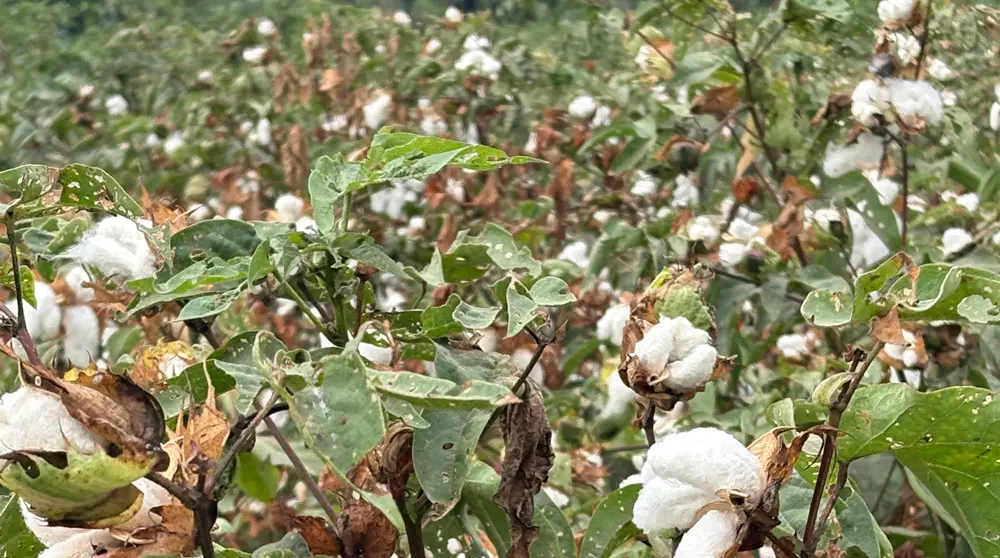
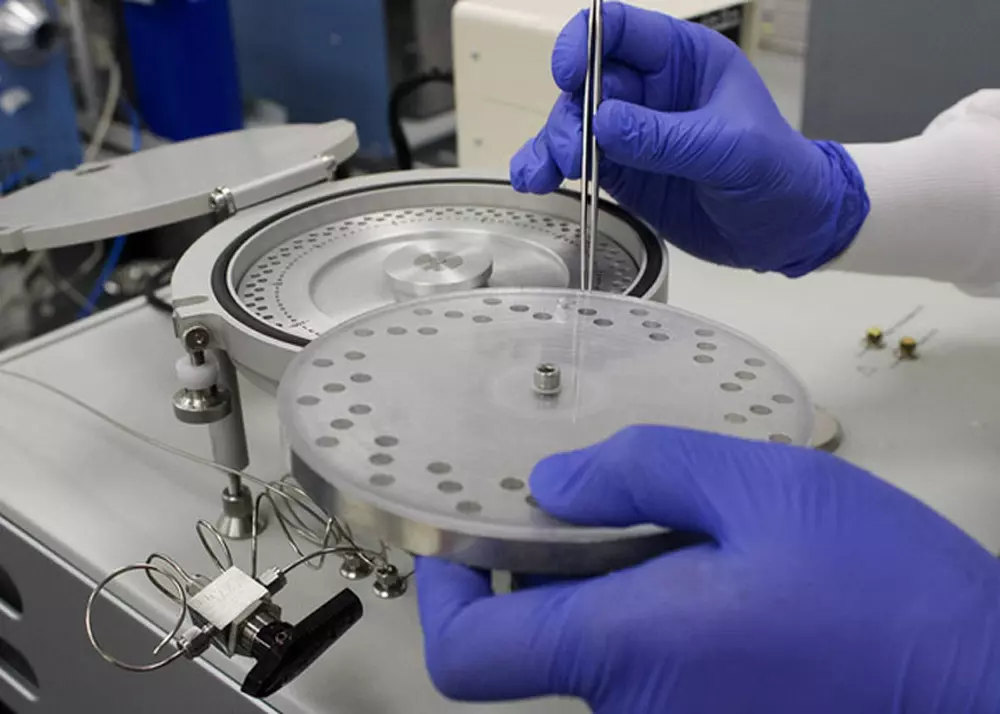
Every cotton plant absorbs water and nutrients from its environment, leaving behind a natural chemical fingerprint that can provide clues about its geographic origin.
Isotech is one of the world’s largest commercial stable isotope laboratories, specializing in high-precision scientific analysis.
What makes Isotech exceptional?
Since 1985 — Over 40 Years of Expertise
Decades of experience in advanced isotope analysis and scientific research.
ISO/IEC 17025 Accredited
Internationally recognized laboratory competence within its accredited testing scope.
ISO 9001 Certified
Internationally recognized quality management standards.
Global Scientific Expertise
Serving clients worldwide through specialized laboratories and scientific services.
Advanced Technology
18 isotope ratio mass spectrometers used for high-precision analysis.
Cotton Origin Specialists
A reference database containing isotopic fingerprints of cotton from different growing regions around the world.
WHY PIMA PRIMA® CHOSE ISOTECH
We want to go beyond knowing what species our cotton belongs to.
We also want to investigate where it was grown.
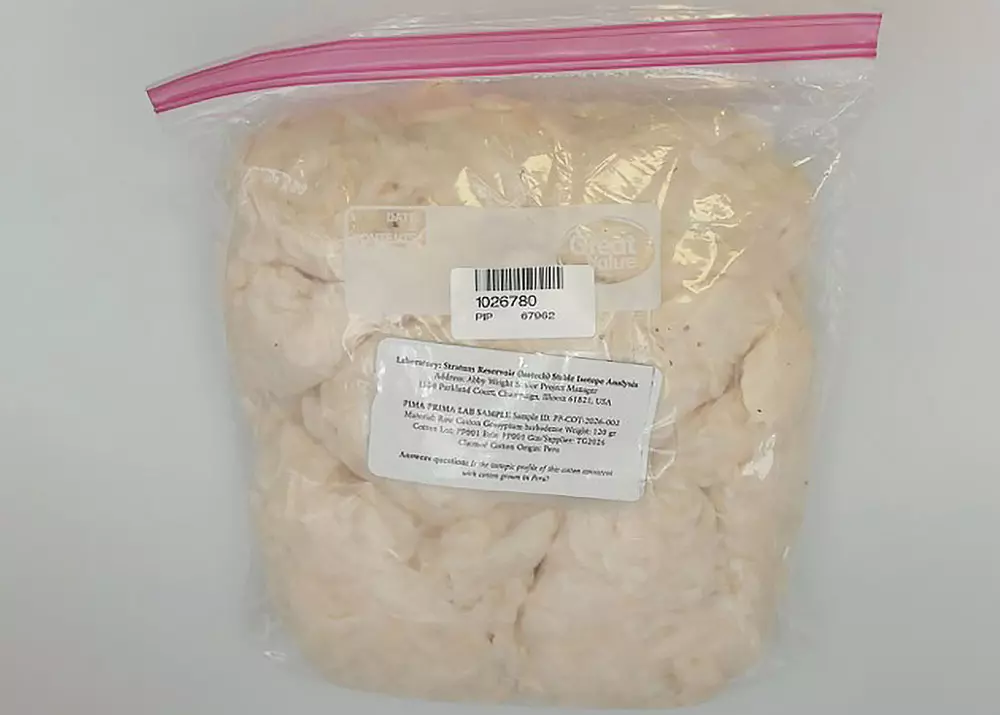
Using stable isotope analysis, Isotech examines the natural chemical fingerprint of our cotton and compares it with geographic reference data.
This scientific approach can help identify whether cotton is consistent with a particular growing region when suitable reference samples are available.
Because true transparency means investigating not only what our cotton is — but where it comes from.
1985 · ISO/IEC 17025 · ISO 9001 · GLOBAL ISOTOPE EXPERTISE
HOW DOES STABLE ISOTOPE ANALYSIS WORK?
Discovering Cotton’s Geographic Fingerprint
Can cotton tell us where it grew? Nature leaves clues!
Just like every person has a fingerprint, cotton carries a natural chemical signature influenced by the environment where it grows.
Scientists can study this signature to investigate the cotton’s geographic origin.
1. Collect the Cotton
Scientists take a small sample of cotton fibers for testing.
2. Examine Nature’s Clues
Using a highly sensitive instrument called a mass spectrometer, they measure natural variations in three elements:
3. Create a Geographic Fingerprint
These measurements are combined to create a unique chemical profile of the cotton sample.
4. Compare with Known Locations
Scientists compare the results with reference cotton samples collected from known growing regions.
When the chemical profiles match closely enough, they can provide evidence consistent with a particular geographic origin.
WHY DOES IT MATTER?
Cotton grown in different parts of the world may look identical, but its natural chemical composition can reveal clues about where it was grown.
At Pima Prima®, we believe the story of our cotton should be supported by science — from its botanical identity to its geographic roots.
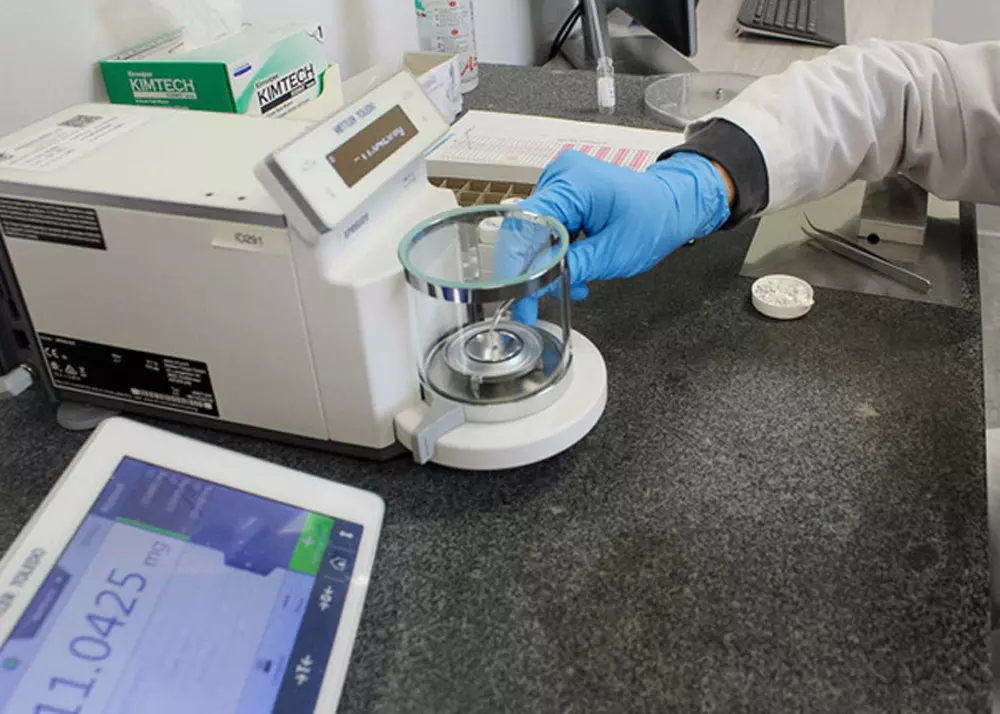
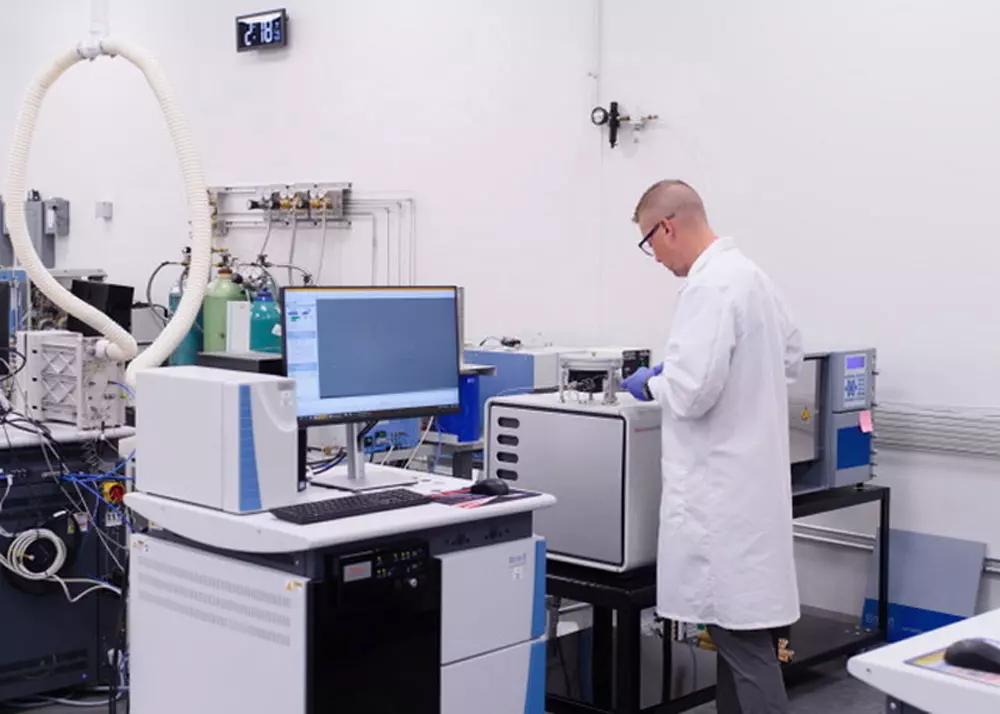
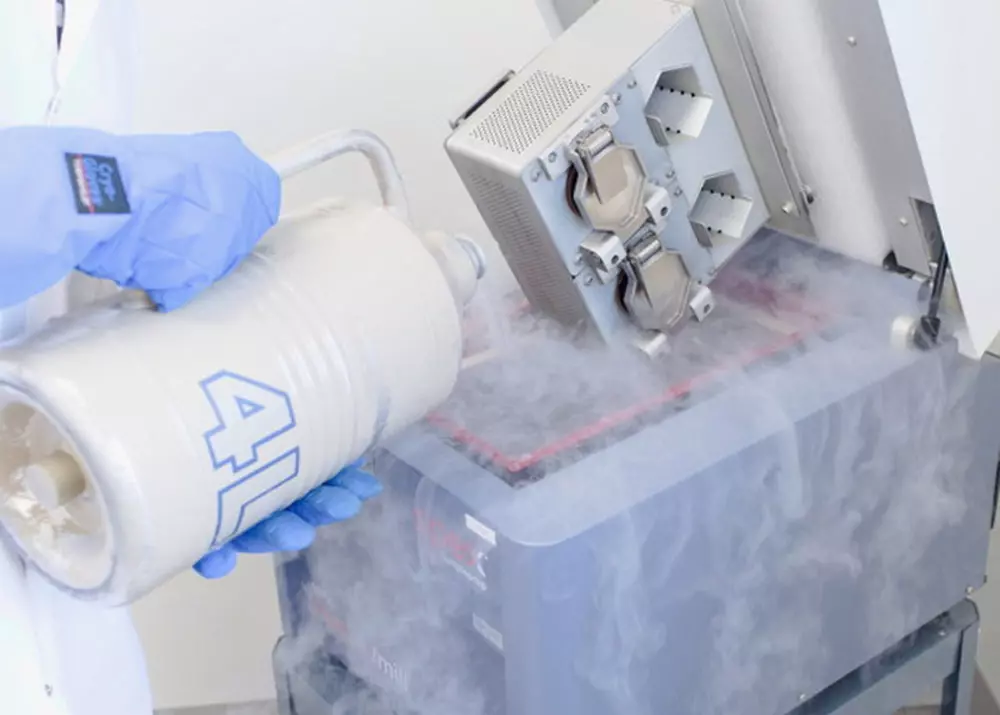
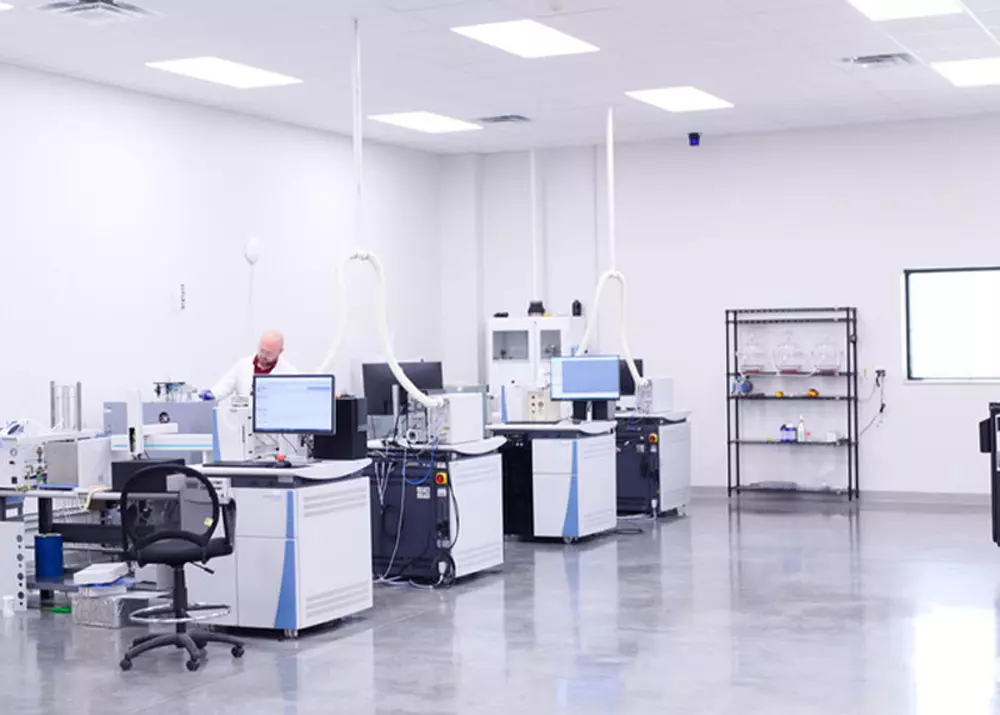
Bremen, Germany | Pioneers in DNA Testing Since 1993
Can cotton reveal its true identity? Its DNA can!
Impetus Bioscience is an independent German laboratory specializing in advanced DNA analysis and molecular biology.
With expertise dating back to 1993, its scientists have helped develop sophisticated genetic testing methods, including techniques for identifying cotton species and detecting genetic differences that cannot be seen with the naked eye.
What makes this laboratory special?
Over 30 Years of Expertise
Decades of experience developing advanced DNA testing methods.
ISO/IEC 17025 Accredited Since 2004
Internationally recognized accreditation demonstrating laboratory competence and quality standards.
Accredited by Germany’s DAkkS
Recognition from Germany’s national accreditation body.
International Scientific Experience
Participation in international laboratory comparison studies and scientific collaborations, including cotton-testing initiatives involving Wageningen Food Safety Research and Organic Cotton Accelerator.
Specialists in Cotton Genetics
Experience developing DNA-based methods to identify cotton varieties, detect genetic differences, and investigate mixtures.
WHY PIMA PRIMA® CHOSE IMPETUS BIOSCIENCE
Pima cotton and ordinary Upland cotton can look remarkably similar. But their DNA tells a different story.
That’s why we entrusted our cotton to Impetus Bioscience.
Using advanced Droplet Digital PCR (ddPCR) technology, the laboratory analyzed our cotton’s DNA to identify the species present and measure their relative proportions.
Because when it comes to authenticity, we believe scientific evidence speaks louder than marketing claims.
DNA EXPERTISE SINCE 1993 · ISO 17025 · DAkkS · INTERNATIONAL RESEARCH
***
Bremen, Germany | International Centre of Excellence in Cotton Testing
What makes cotton truly premium? Science can measure it!
Established in 2011, ICA Bremen is an internationally recognized center of excellence in cotton testing, research, and professional classification, bringing together expertise from the International Cotton Association, Bremen Cotton Exchange, and Bremen Fibre Institute.
What makes ICA Bremen exceptional?
ISO/IEC 17025 Accredited — Internationally recognized laboratory competence.
ISO 9001 Certified — International quality management standards.
Global Cotton Authority — One of two World Cotton Contract classing authorities, alongside the USDA.
Worldwide Recognition — Evaluates and certifies cotton-testing laboratories internationally.
Scientific Expertise — Advanced fiber testing supported by cotton research.
WHY PIMA PRIMA® CHOSE ICA BREMEN
We chose ICA Bremen to independently evaluate the physical quality of our cotton using HVI testing and professional manual classing.
These methods measure fiber length, strength, uniformity, and micronaire — the characteristics that help determine cotton quality.
Because true premium quality should be measured, not just promised.
ISO/IEC 17025 · ISO 9001 · GLOBAL COTTON AUTHORITY
How Does DNA Testing Work?
Method: DNA Species Identification & Quantification (ddPCR)
Every cotton plant has DNA — just like humans do! Think of DNA as a tiny instruction book that tells scientists what kind of cotton plant it comes from.
But how can we tell if our cotton is really Pima cotton?
Step 1 — Collecting DNA
Scientists take a small sample of cotton and extract its DNA. Even a tiny amount can contain important information about the plant.
Step 2 — Finding the Cotton’s Identity
Different cotton species have different DNA patterns, just like people have different fingerprints.
Scientists look for these patterns to tell Pima cotton (Gossypium barbadense) apart from regular Upland cotton (Gossypium hirsutum).
Step 3 — Testing Thousands of Tiny Drops
Using a special technology called ddPCR, scientists divide the DNA sample into thousands of tiny droplets — much smaller than a raindrop!
Each droplet is checked for DNA signals from the different cotton species.
Step 4 — Counting the Results
Scientists count the signals to find out how much DNA comes from each cotton species.
For example, our cotton sample showed:
– 99% Pima Cotton DNA
– 1% Upland Cotton DNA
Why Is This Important?
Two cotton fibers can look exactly the same, even under a microscope!
But DNA testing helps scientists discover which cotton species they come from.
At Pima Prima®, we don’t just say what our cotton is made from. We use science to find out.



Wash:
Machine wash cold,
gentle cycle

Spin:
No spin or lowest
spin speed

Detergent:
Mild detergent, no bleach

Dry:
Air dry naturally

Iron:
Low heat if needed

Store:
Fold neatly