Partner with Us или Let’s Collaborate
Tell us a bit about your platform and what kind of partnership you have in mind.
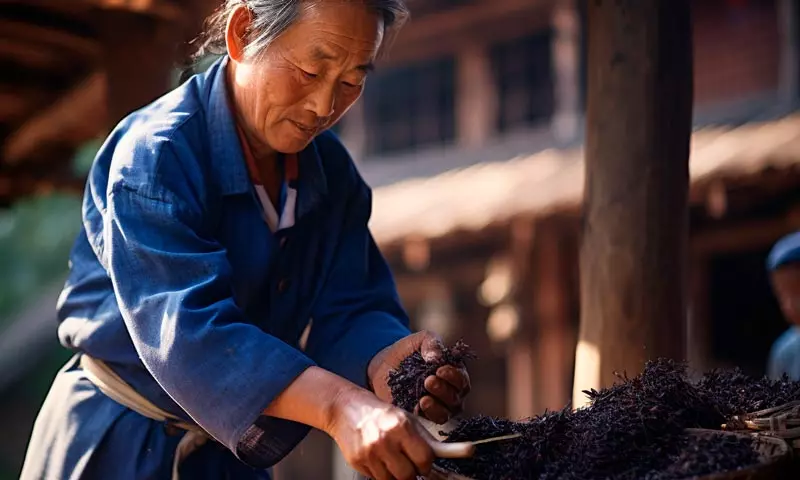
In a world saturated with synthetic color, something ancient is calling us back—back to the forest, to the riverside, to the ritual fire. Across continents and centuries, people have dyed fabric not just for beauty, but for healing, spirit and story.
Natural dyes aren’t just pigments. They are memories. They are medicine. They carry the folklore and wisdom of our ancestors woven into every thread.
In India the Ayurvastra tradition teaches that cloth can heal. Garments dyed with herbs like neem turmeric and tulsi are believed to calm the body and restore energetic balance. Ayurvastra—literally “life cloth”—is holistic therapy woven into daily life. The fabric doesn’t just cover; it nurtures.
Over in Japan the art of kusaki-zome (plant dyeing) is deeply spiritual. The iconic indigo blue—known as Japan Blue—is said to ward off evil spirits and harmful bacteria. Samurai warriors even wore indigo-dyed undergarments into battle as a protective talisman.
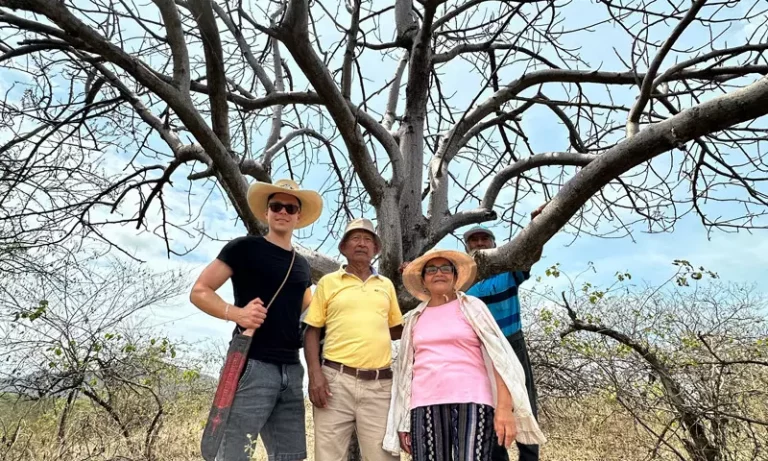
High in the Andes of Peru where Pima Prima sources its natural dyes indigenous peoples have for thousands of years used molle leaves, chilca bark, cochineal insects and eucalyptus not only to create vivid colors but also to honor Pachamama Mother Earth. These plants were sacred, chosen for rituals, celebrations and healing ceremonies.
Every culture has stories that imbue natural dyes with magic:
Natural dyes often reflect profound worldviews:
At Pima Prima we honor these ancient traditions with a modern reverence for natural dyeing. In collaboration with local artisans 4,000 meters above sea level in the Peruvian Andes we use molle indigo chilca and cochineal to bring plant-based color to our extra-long staple Pima cotton.
Our process is time-intensive and ritualistic rooted in Ayurvedic and Andean wisdom: immersion sun-drying repetition. No chemicals. No shortcuts. Just earth time and care.
Every T-shirt we create is more than a garment—it is a cultural revival a wearable ritual and a living archive of global textile wisdom.
In an era dominated by mass production and disposable fashion these traditions remind us that color isn’t mere decoration—it’s intention.
Natural dyeing is slow. It’s seasonal. It’s sacred.
To wear a naturally dyed garment is to wear a blessing, protection and story.
Natural dyes carry spiritual significance, cultural memory and a profound connection to the earth’s cycles. They show us that textiles are a universal language of spirit identity and healing—just as precious as any gemstone.
India — The Legend of Ayurvastra and Sacred Indigo
A folk tale tells of a mystical indigo plant guarded by divine beings in ancient forests. A humble weaver struck by illness found healing when he discovered the plant’s dye which protected against evil spirits and disease. Indigo became a symbol of health, spirituality and protection.
Japan — The Tale of Ai (Indigo) and the Blue Spirit
A wandering monk gifted villagers indigo seeds promising that fabric dyed in deep blue would bring harmony and ward off evil. The blue hue was said to capture the “blue spirit” of sky and ocean calming souls and connecting wearers with nature’s balance.
West Africa — The Magical Mudcloth and Ancestral Power
Among the Bamana of Mali a legend recounts how a young girl’s white cloth transformed with magical mud stains in a river giving rise to bogolanfini. Each pattern tells a story or proverb providing spiritual protection and ancestral wisdom.
Peru — The Rainbow Cloth of the Andes
The Quechua speak of a goddess who wove the rainbow. Colors from native plants like cochineal indigo and roots were sacred gifts from mountains and rivers used to honor Pachamama and channel spirits. Wearing such cloth brought blessings, fertility and good fortune.
China — The Tale of the Blue Willow Tree and Blue Dye
A maiden grieving her lost love dipped her garment in a stream near a mystical willow tree turning it blue. The blue dye came to symbolize eternal love and loyalty.
Ireland — The Druid’s Green and the Secret of the Forest
Druids mastered dyeing cloth green with woad and moss. This green dye held the “secret of the forest” granting invisibility and protection. Green warriors were favored by the spirits their garments glowing faintly in moonlight.
Indonesia — The Batik of the Spirits
Javanese folklore tells of a princess who dreamt sacred batik patterns given by ancestral spirits. Painted with natural dyes these patterns acted as prayers bridging humans and gods.
Natural dyes embody more than hues; they carry stories of healing identity, spirituality and respect for the earth. They connect us to ancestral wisdom and remind us to slow down, appreciate intention and wear our heritage with pride.
The next time you slip on a naturally dyed garment, know that you’re not just wearing fabric—you’re wearing a thousand years of memory magic and meaning.