Partner with Us или Let’s Collaborate
Tell us a bit about your platform and what kind of partnership you have in mind.
Part of the Códice de Algodón project by Pima Prima
Cotton has woven its way through Peru’s history for over 7,000 years — from ancient rituals in sacred valleys to the runways of modern sustainable fashion. This soft, resilient fiber has clothed emperors, empowered artisans, and shaped entire cultures. As part of the Códice de Algodón project by Pima Prima, we journey through the evolution of cotton in Peru — from its sacred past to its ethical present.
Archaeologists have uncovered evidence of cotton cultivation as early as 6000 BCE on Peru’s northern coast. Civilizations like the Norte Chico, Moche, and Nazca grew and spun cotton into textiles used for daily life, trade, and ceremony.
The Inca Empire elevated textile arts to their highest form. Cotton wasn’t just utilitarian — it was spiritual, political and symbolic. Woven tunics (called uncus) and ceremonial cloths bore sacred patterns, natural dyes and stories passed down through generations. Cotton textiles were also part of the Inca tribute system, given to the state as a form of tax.
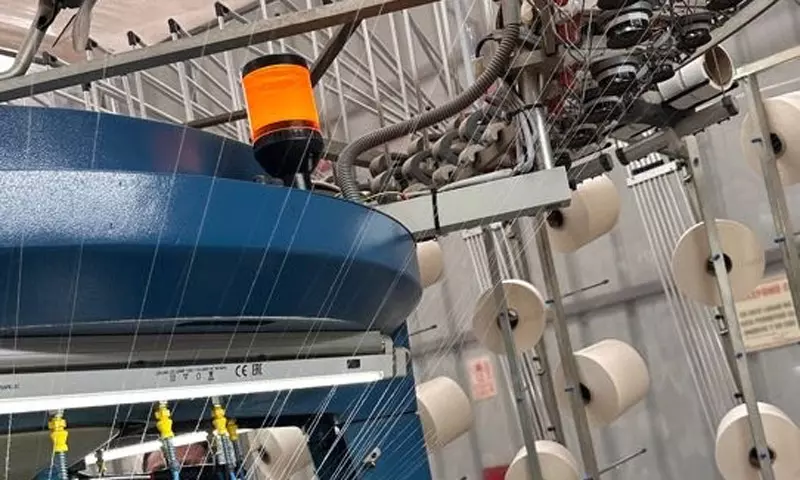
With the arrival of Spanish conquistadors in the 16th century, indigenous cotton traditions were disrupted. European weaving styles replaced many local techniques and cotton became a commodity for the global market. Later, industrial machinery in the 19th and 20th centuries shifted production toward mass output.
But even through colonization and industrialization, indigenous communities preserved their knowledge — quietly weaving traditions into the fabric of everyday life. ✨
Peru is now a world leader in producing ultra-premium cotton, including:
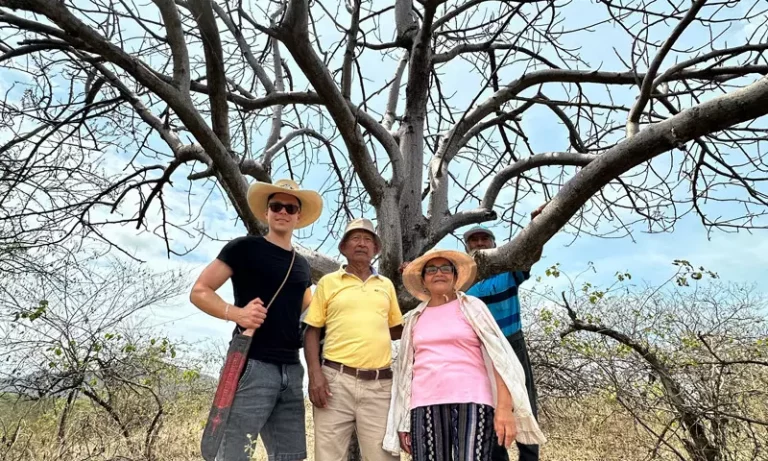
Modern Peruvian artisans and designers are reviving ancient techniques using natural dyes, traditional looms and sustainable practices. Organizations and brands — including Pima Prima — work hand-in-hand with weavers to empower local communities, uphold fair trade, and preserve ancestral knowledge.
To dive deeper into Peru’s cotton legacy, visit these incredible museums and cultural centers:
Museo Larco (Lima) – Showcases pre-Columbian art and ceramic scenes of ancient textile making.
Museo Nacional de Arqueología (Lima) – Highlights early agricultural techniques and their link to textile production.
Museo Inkariy (Sacred Valley) – A cultural immersion into the textile and spiritual life of Andean civilizations.
Cotton in Peru is more than a crop — it’s a living heritage. From the sacred rituals of the Inca to today’s ethical fashion brands, Peruvian cotton tells a story of creativity, resilience, and identity. ✨
At Pima Prima, through the Códice de Algodón project, we honor this legacy by celebrating the artisans, farmers, and communities that continue to keep Peru’s cotton culture alive — stitch by stitch.
#PeruvianWeaving #AndeanTextiles #CottonTShirtsForWomen #PimaCotton #SustainableFashion #EthicalFashion #SlowFashion #CódiceDeAlgodón #Women’sTShirts #FashionWithPurpose #SoftTeesForWomen #AncientCrafts #TextileHeritage #EcoFriendlyFashion #PeruvianCulture #CroppedTShirtsForWomen #NaturalDyes #WomensTShirtsCotton #HandcraftedFashion #CulturalPreservation #PimaCotton