Wait! Don’t Go Yet! 👋
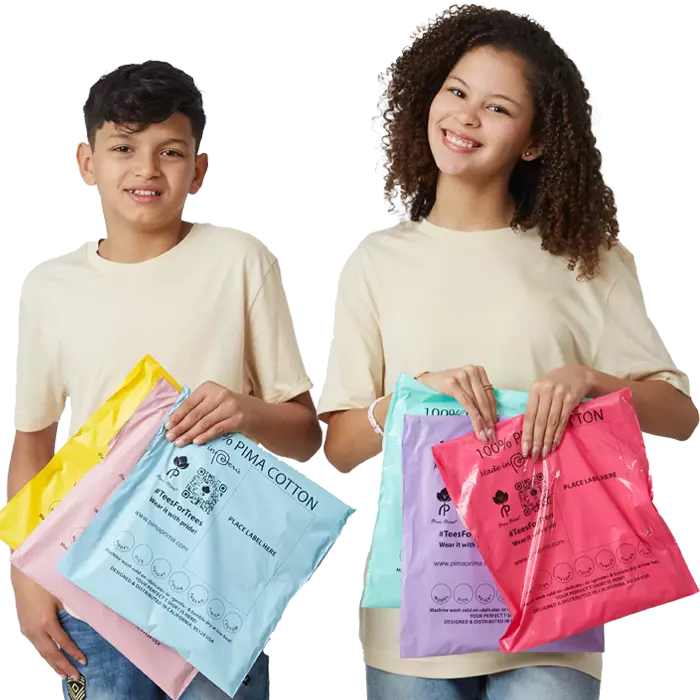
Don’t leave these cozy Pima Cotton outfits behind! 😊
Take another look, maybe you missed something?
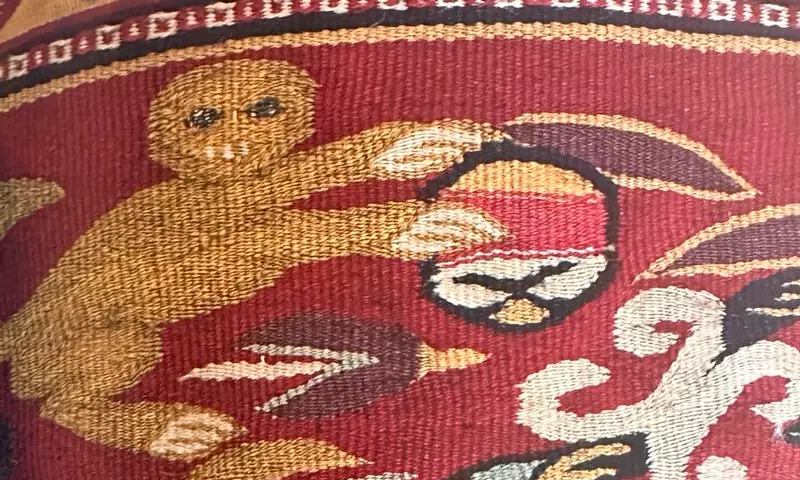
Cotton has played an integral role in human civilization for thousands of years, and in Peru, its importance dates back to pre-Columbian times. The ancient cultures of the Andes, including the Nazca, Moche, Inca, and others, cultivated and utilized cotton in various aspects of daily life, social organization, and religious practices. Cotton was not just a material for clothing and textiles but also held symbolic and ritual significance. The evolution of cotton cultivation in ancient Peru is a fascinating journey that intertwines with the development of agricultural knowledge, craftsmanship, and spirituality.
In this article, we explore the multifaceted role of cotton in ancient Peruvian societies and its connection to the spiritual, cultural, and economic fabric of these civilizations. From the textiles used in daily life to those woven for religious rituals, cotton in ancient Peru was much more than a commodity—it was a sacred material deeply embedded in Andean identity.
Cotton cultivation in ancient Peru dates back to at least 2500 BCE, making it one of the earliest regions to cultivate cotton in the Americas. It is believed that cotton was initially grown in the northern coastal regions of Peru, where the climate was ideal for its cultivation. The Moche, Nazca, and Inca peoples developed sophisticated techniques for harvesting, spinning, and weaving cotton into textiles, which played an essential role in both the domestic and ritualistic spheres of life.
In ancient Peru, cotton was woven into fabrics that were used for a wide range of practical purposes:
In addition to its everyday uses, cotton had profound symbolic and ceremonial significance in Andean cultures:
The Moche (100 CE – 800 CE) and Nazca (100 BCE – 800 CE) cultures are particularly renowned for their expertise in cotton weaving and dyeing. These ancient civilizations used cotton to create highly intricate and colorful textiles that held both everyday and ceremonial uses.
The Moche are known for their elaborate textile artistry, which often involved weaving cotton into geometric patterns and creating textiles for use in religious rituals. The Moche also used cotton to create impressive sashes, tunics, and headgear, as well as burial garments for the elite. The Nazca, on the other hand, are famous for their vibrant textile designs, which often featured animal motifs and intricate patterns, created using plant dyes like indigo and cochineal.
Both of these cultures left behind significant examples of cotton textiles in their tombs, which have provided scholars with insights into the weaving techniques, artistic traditions, and ritual practices of ancient Peru.
When the Inca Empire rose to power (1438 CE – 1533 CE), the use of cotton became more highly regulated. The Inca state had a state-run economy in which textiles, particularly cotton garments, played a key role in maintaining social order. The state organized labor to produce textiles for both practical and ritual uses, and it controlled the distribution of these textiles.
Cotton garments were highly symbolic in Inca society, with the highest quality textiles reserved for royalty and priests. The Inca ruler, or Sapa Inca, was considered the son of the sun and wore elaborate clothing made from the finest materials, including cotton. These garments were often embroidered with designs that represented cosmic order and were intended to communicate the wearer’s divine status.
Today, cotton continues to play an important role in Peruvian textile traditions. Indigenous communities in the Sacred Valley and highland regions continue to cultivate and weave cotton into textiles using traditional methods passed down through generations. These artisans blend cotton with alpaca wool and sheep wool to create a range of textiles that include clothing, blankets, and ceremonial textiles.
Many modern brands, like Pima Prima, are working to integrate traditional weaving and dyeing techniques into contemporary fashion, focusing on the importance of sustainability and cultural preservation. This blending of old and new ensures that the legacy of cotton in Peru continues to thrive, preserving the ancient practices while adapting to the needs of today’s global market.
Several museums in Peru offer a deeper understanding of how cotton was used in ancient Peruvian societies. These institutions hold vast collections of ancient textiles, including cotton garments and ritual items, and provide rich historical insights into the role of cotton in the culture and daily life of pre-Columbian civilizations.
Cotton played a central role in the daily life and rituals of ancient Peru, serving as a vital material for both practical and ceremonial purposes. From the intricate textiles woven by the Nazca and Moche to the regal garments of the Inca, cotton was a symbol of identity, power and spirituality.
Today, the legacy of cotton in Peru continues to inspire modern artisans and fashion designers, ensuring that the rich textile traditions of the Andes endure. Through museums, books and research, we can continue to learn from the ancient peoples of Peru and appreciate the lasting impact of cotton in their society.