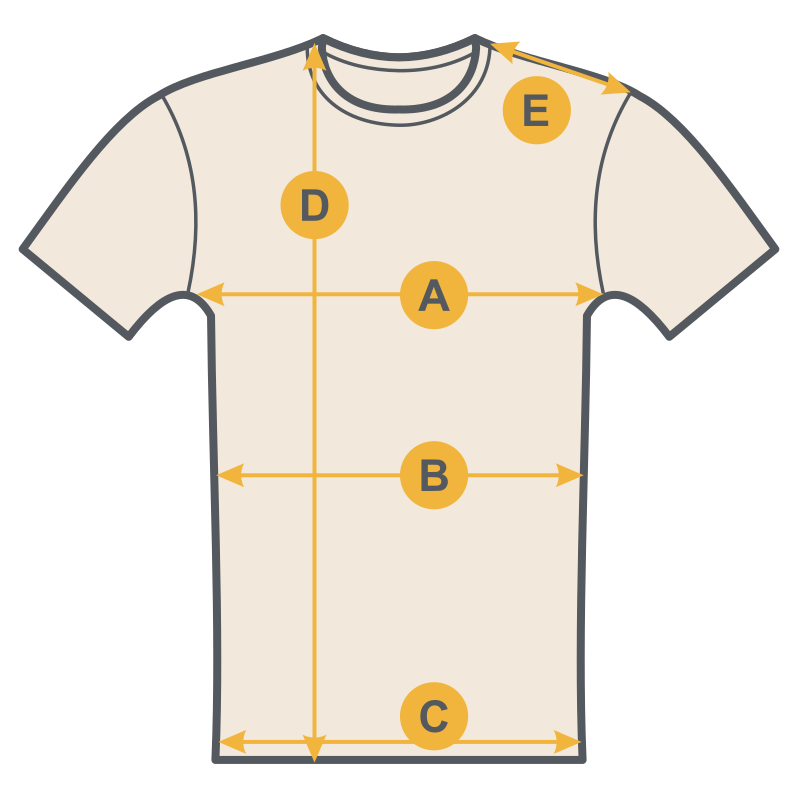
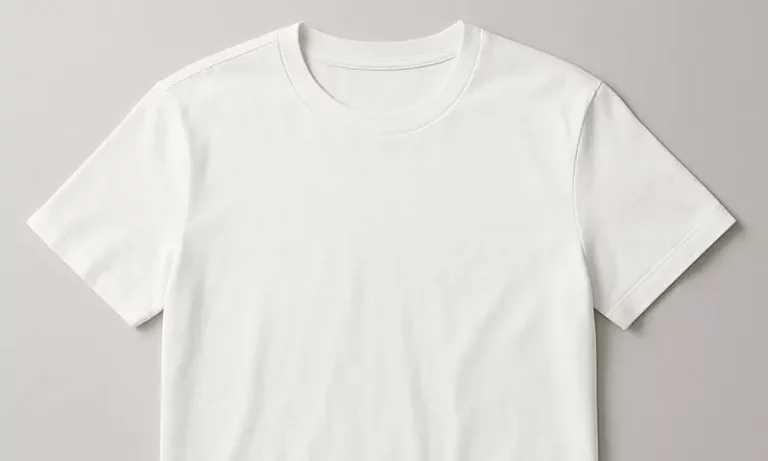
Measure the Chest (Bust) — “A” – From armpit to armpit
Measure the Waist — “B” – Across the narrowest point
Measure the Hips — “C” – Across the bottom hem
Measure the Length — “D” – From the top of the shoulder (near the collar) to the bottom hem
Measure the Shoulders — “E” – From one shoulder seam to the other
Model 4 – Men’s Wide Shoulders Fit (Flat Measurements)
Model 4 is tailored for broad shoulders and narrow waists.
It also fits women and kids with similar body shapes.
Please check the sizing chart for the perfect fit.
Size
Chest (Bust) — “A”
Waist — “B”
Hips — “C”
Length — “D”
Shoulders — “E”
inches
cm
inches
cm
inches
cm
inches
cm
inches
cm
4XS
16 1/4
41.27
15 1/4
38.74
15 1/4
38.74
26 1/2
67.31
4
10.16
3XS
16 3/4
42.55
15 3/4
40.01
15 3/4
40.01
27
68.58
4 1/8
10.48
2XS
17 1/4
43.81
16 1/4
41.28
16 1/4
41.28
27 1/2
69.85
4 1/4
10.80
XS
17 3/4
45.09
16 5/8
42.23
16 5/8
42.23
28
71.12
4 1/2
11.43
S
18 1/4
46.36
17 1/8
43.52
17 1/8
43.52
28 1/2
72.39
4 3/4
12.07
M
18 7/8
47.94
17 3/4
45.09
17 3/4
45.09
29
73.66
5
12.70
L
19 7/8
50.48
18 3/4
47.63
18 3/4
47.63
29 1/2
74.93
5 1/4
13.34
XL
20 7/8
53.02
19 3/4
50.17
19 3/4
50.17
30
76.2
5 1/2
13.97
2XL
21 1/2
54.61
20 1/2
52.07
20 1/2
52.07
30 1/2
77.47
5 3/4
14.61
3XL
23
58.42
22
55.88
22
55.88
31
78.74
6
15.24
4XL
24 1/2
62.23
23 1/2
59.69
23 1/2
59.69
31 1/2
80.01
6 1/2
16.51
T-Shirt Size Guide – Flat Lay Measurements
Finding your perfect fit is easy.
Lay a well-fitting T-shirt flat on a surface.
Measure across these key areas:
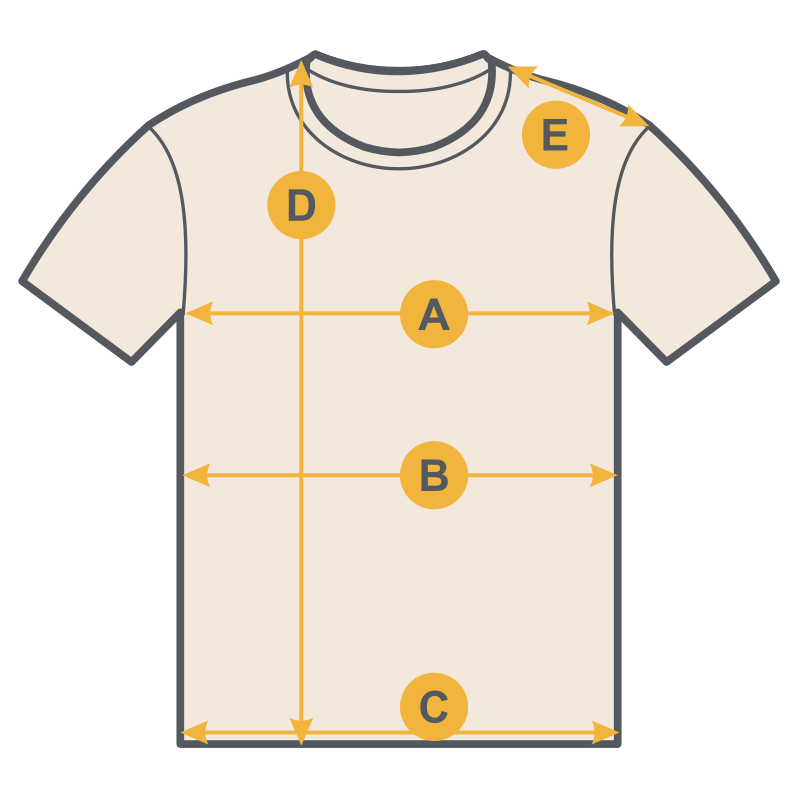
Measure the Chest (Bust) — “A” – From armpit to armpit
Measure the Waist — “B” – Across the narrowest point
Measure the Hips — “C” – Across the bottom hem
Measure the Length — “D” – From the top of the shoulder (near the collar) to the bottom hem
Measure the Shoulders — “E” – From one shoulder seam to the other
Model 3 tee with balanced proportions and clean lines.
This versatile style provides a relaxed fit suitable for all body types.
Although designed for men, it looks great on women who prefer a casual or slightly oversized tee.
Size
Chest (Bust) — “A”
Waist — “B”
Hips — “C”
Length — “D”
Shoulders — “E”
-
inches
cm
inches
cm
inches
cm
inches
cm
inches
cm
4XS
16 7/8
42.86
15 3/4
40.01
16 7/8
42.86
26
66
4 3/4
12.07
3XS
17 3/8
44.15
16 1/4
41.28
17 3/8
44.15
26 1/2
67.31
4 7/8
12.38
2XS
17 7/8
45.41
16 3/4
42.55
17 7/8
45.41
27
69
5
12.70
XS
18 3/8
46.67
17 1/4
43.82
18 3/8
46.67
27 1/2
69.85
5 1/8
13.02
S
19 1/8
48.58
18
45.72
19 1/8
48.58
28
71
5 1/4
13.34
M
19 7/8
50.5
18 3/4
47.63
19 7/8
50.5
28 1/2
72.39
5 3/8
13.65
L
20 5/8
52.39
19 1/2
49.53
20 5/8
52.39
29
74
5 1/2
13.97
XL
21 3/8
54.29
20 1/4
51.44
21 3/8
54.29
29 1/2
74.93
5 5/8
14.29
2XL
22 1/8
56.2
21
53.34
22 1/8
56.2
30
76
5 3/4
14.61
3XL
22 7/8
58.1
21 3/4
55.25
22 7/8
58.1
30 1/2
77.47
5 7/8
14.92
4XL
23 5/8
60
22 1/2
57.15
23 5/8
60
31
78.74
6
15.24
T-Shirt Size Guide – Flat Lay Measurements
Finding your perfect fit is easy.
Lay a well-fitting T-shirt flat on a surface.
Measure across these key areas:
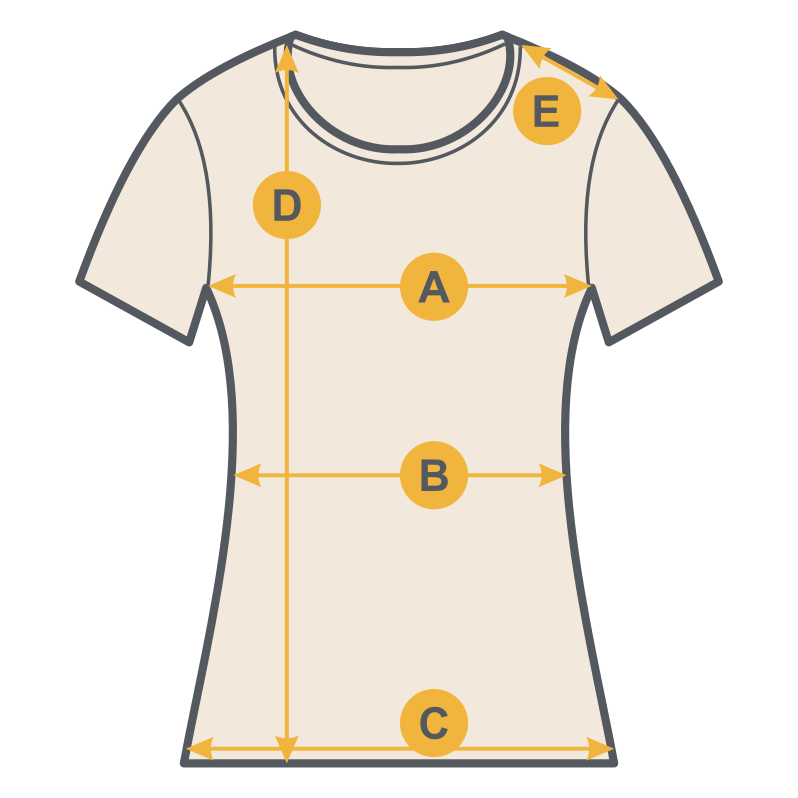
Measure the Chest (Bust) — “A” – From armpit to armpit
Measure the Waist — “B” – Across the narrowest point
Measure the Hips — “C” – Across the bottom hem
Measure the Length — “D” – From the top of the shoulder (near the collar) to the bottom hem
Measure the Shoulders — “E” – From one shoulder seam to the other
Model 1 – Women’s & Girl’s Fitted Tee (Flat-Lay Measurements)
Designed with a flattering feminine silhouette, this tee features a gently curved waist and a tailored fit
that complements the body without clinging.
Perfectly suited for women and girls alike, it offers a comfortable and stylish fit at any age.
Size
Chest (Bust) — “A”
Waist — “B”
Hips — “C”
Length — “D”
Shoulders — “E”
inches
cm
inches
cm
inches
cm
inches
cm
inches
cm
4XS
14 1/2
36.83
13 1/4
33.66
15 1/2
39.37
23 3/4
60.33
3 1/4
8.26
3XS
15 1/2
39.37
14
35.56
16 1/4
41.28
24 1/4
61.6
3 1/4
8.26
2XS
16 1/4
41.28
14 3/4
37.47
17
43.18
25
63.5
3 3/8
8.57
XS
17
43.18
15 1/2
39.37
18
45.72
25 1/2
64.77
3 1/2
8.89
S
18
45.72
16 1/2
41.91
19
48.26
26 1/4
66.68
3 5/8
9.21
M
19
48.26
17 1/2
44.45
20
50.8
26 3/4
67.95
3 3/4
9.53
L
20
50.8
18 1/4
46.36
21
53.34
27 1/4
69.22
3 7/8
9.84
XL
21
53.34
19 1/4
48.9
22
55.88
27 3/4
70.49
4
10.16
2XL
22
55.88
20 1/4
51.44
23
58.42
28 1/4
71.76
4 1/8
10.48
3XL
22 3/4
57.79
21
53.34
23 3/4
60.33
28 3/4
73.03
4 1/4
10.80
4XL
23 1/2
59.69
21 3/4
55.25
24 1/2
62.23
29
73.66
4 1/2
11.43
Pima Prima® Size Guide
Finding the perfect fit is key to feeling comfortable and confident in your Pima Prima® T-shirt.
Below are the essential measurements for each model to help you choose the right size.
Key Measurements Explained:
Bust/Chest
Measured across the fullest part of the chest (for women) or chest width (for men)
Waist/Hips
Measured at the narrowest point of the waist or fullest part of the hips (for women)
Length
Measured from the highest shoulder point to the bottom hem of the T-shirt
Our Models:
Model 1 – Women’s Fitted Designed for a flattering, feminine shape with a slightly curved waist. Perfect on its own or layered under a jacket.
Model 3 – Classic Men’s - fit a Women. A timeless straight-cut fit with balanced proportions, suitable for all body types.
Model 4 – Men’s Wide Shoulders Fit Created for broader chests and slimmer waists — this athletic cut tapers naturally for a clean, modern silhouette.
Note:
Models 3 and 4, designed with a relaxed and growth fit, can also perfectly suit petite women looking for an oversized, comfortable style. Just be sure to check the measurements carefully to find the best fit for you.
Fit with Confidence – And Consciousness At Pima Prima® we want you to feel great in your T-shirt. That’s why we offer returns if you're not fully satisfied with your size. But we’re also here to address a bigger issue: the environmental impact of returns and long-distance logistics.
Every return shipped across borders contributes to unnecessary carbon emissions and packaging waste. Our goal is to reduce this burden by helping you choose the right size the first time — through clear measurements, detailed guidance and personalized support.
The problem we’re solving: Traditional fashion returns create up to 15 million metric tons of CO₂ emissions annually and generate tons of landfill waste. We're working to minimize that footprint — not by eliminating returns, but by making them smarter, fewer, and more sustainable.
Wait! Don’t Go Yet! 👋
Don’t leave these cozy Pima Cotton outfits behind! 😊 Take another look, maybe you missed something?
Palo Santo: The Sacred Tree Inspiring Pima Prima’s Sustainable Vision
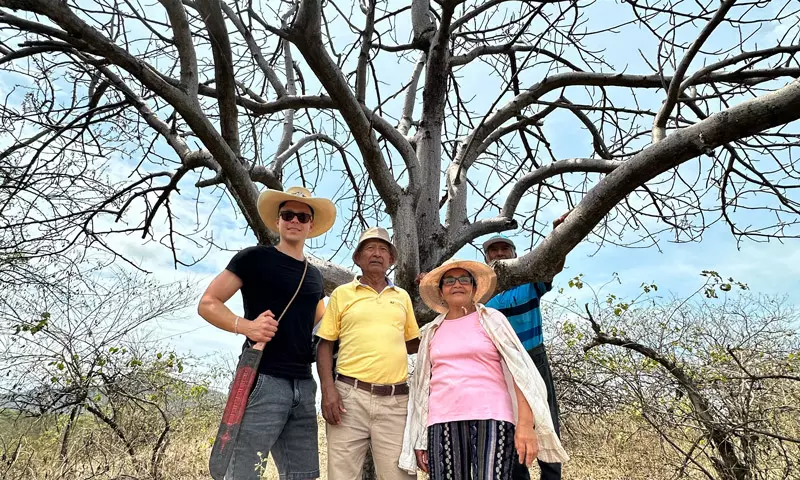
Palo Santo (Bursera graveolens), often translated as “Holy Wood,” is one of the most culturally significant trees of Peru and Ecuador. Native to the tropical dry forests of northern Peru and the Pacific coast of South America, Palo Santo has been woven into local traditions, stories and daily life for centuries. Known for its distinctive fragrance, remarkable resilience and cultural importance, the Palo Santo tree has long been associated with renewal, respect for nature and connection to place. For Pima Prima, Palo Santo became more than a tree. It became a symbol of the values that would later shape the brand: respect for nature, respect for traditional knowledge and a commitment to future generations. The story of Palo Santo helped inspire one of Pima Prima’s most important commitments: supporting environmental stewardship and tree-planting initiatives in Peru.
Discovering Palo Santo
During the COVID-19 lockdown of 2020, members of the Pima Prima team spent extended periods in Peru, learning from local communities and exploring the traditions surrounding cotton, natural color and the relationship between people and the land. Again and again, one symbol appeared in conversations, stories and cultural traditions: Palo Santo. Although Extra-Long Staple Pima cotton and Palo Santo represent different parts of Peru’s natural heritage, both share a common thread. They reflect generations of accumulated knowledge, a close relationship with nature and a deep respect for the resources that sustain communities over time. These ideas would later become part of the foundation of Pima Prima.
What Is Palo Santo?
Palo Santo is an aromatic tree native to parts of South America, particularly Peru and Ecuador. The species most commonly associated with the name is Bursera graveolens, which grows naturally in the tropical dry forests of northern Peru and southern Ecuador. For centuries, local communities have valued Palo Santo for its fragrance, cultural significance and connection to traditional practices. Today, Palo Santo remains one of the most recognizable natural symbols of northern Peru and one of the most widely known trees associated with South American cultural traditions.
Why Is Palo Santo Called “Holy Wood”?
The name Palo Santo translates from Spanish as “Holy Wood.” The term reflects the deep cultural and spiritual significance the tree has held throughout the region for generations. Different communities developed their own traditions and stories surrounding Palo Santo, often associating it with renewal, respect for nature, protection and ceremonial practices. While interpretations vary, the name itself reflects the special place the tree occupies in the cultural heritage of Peru, Ecuador and other parts of South America.
A Tree of Cultural Significance
Throughout Peru, Ecuador and other parts of South America, Palo Santo has long held an important place in local traditions. Different communities tell different stories about its origins and meaning. Some traditions associate the tree with healing and renewal. Others view it as a symbol of protection, remembrance and spiritual connection. These stories form part of a rich cultural heritage that has been passed from generation to generation. Regardless of interpretation, Palo Santo remains one of the most recognizable symbols of the relationship between people, landscape and tradition throughout the region.
Andean Traditions and Oral Histories
Among communities in Peru and Ecuador, Palo Santo has been associated with ceremonial practices, cultural traditions and everyday life for centuries. According to local oral histories, the tree was often connected with purification, protection and the restoration of balance. Its distinctive fragrance made it a valued part of traditional practices and community rituals. Different regions preserve different stories. Some legends describe Palo Santo as a gift connected to healing and renewal. Others emphasize its role in bringing people together and strengthening the connection between human beings and the natural world. While these traditions vary across communities, they all reflect the enduring cultural significance of the tree.
Palo Santo Beyond Peru
The cultural importance of Palo Santo extends beyond Peru and Ecuador. Among the Toba people of the Gran Chaco region, one traditional story tells of Cosakait, a young man remembered for his kindness and virtue. According to the legend, a fragrant tree emerged where he was buried, becoming a symbol of love, sacrifice and remembrance. Among the Lengua-Maskoy people of Paraguay, Palo Santo has traditionally been associated with protection and family life. In some traditions, couples plant trees together as symbols of continuity, resilience and lasting connection. These stories differ in detail, but they share common themes: respect for nature, remembrance, community and continuity across generations.
The Dry Forests of Northern Peru
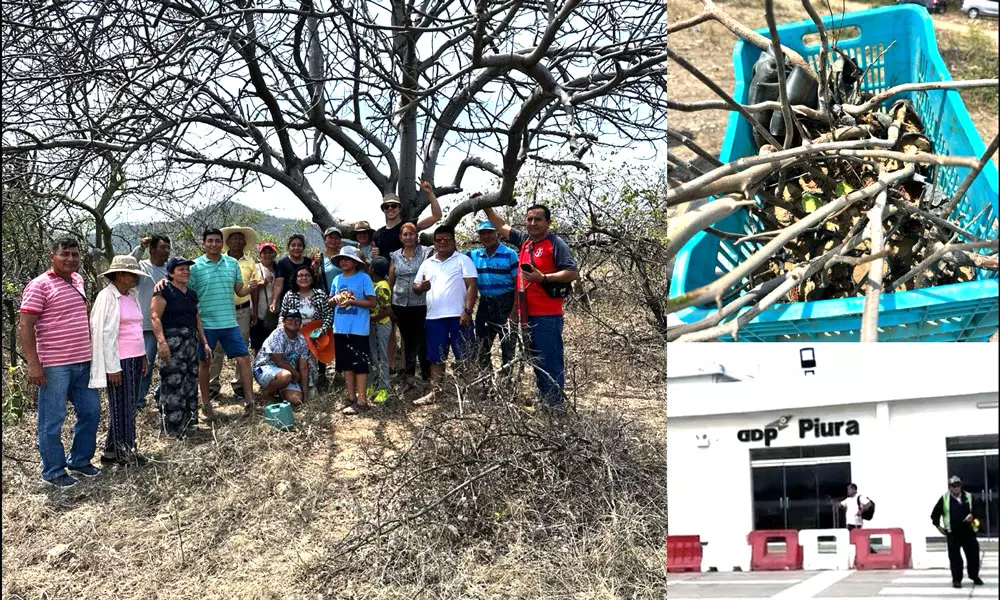
Palo Santo grows naturally in the unique dry forests of northern Peru and southern Ecuador. These ecosystems support remarkable biodiversity and contain plant and animal species adapted to some of the most challenging environmental conditions in South America. The dry forests of regions such as Piura and Tumbes represent some of the most distinctive ecological landscapes in Peru and play an important role in supporting both wildlife and local communities. Like many natural habitats around the world, these forests face pressures from land-use change, development and environmental degradation. Protecting and restoring these landscapes is important not only for biodiversity but also for preserving cultural environments that have shaped local communities for centuries.
Conservation and Reforestation
As awareness of Palo Santo has grown internationally, so has interest in protecting the ecosystems where it naturally occurs.
Conservation efforts throughout northern Peru focus on preserving dry forest habitats, supporting local communities and encouraging responsible stewardship of natural resources.
Reforestation initiatives help restore degraded landscapes while contributing to long-term ecological resilience.
Protecting Palo Santo is about more than preserving a single tree species. It is about safeguarding the broader cultural and environmental heritage of the regions where the tree has played an important role for generations.
Why Palo Santo Matters to Pima Prima
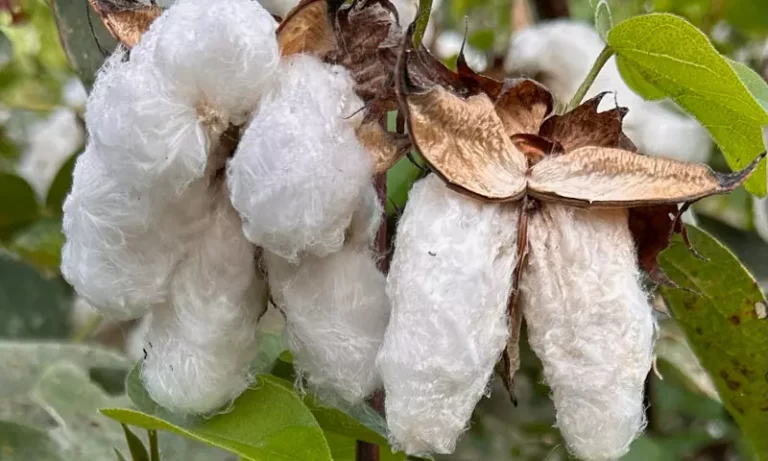
Pima Prima was founded on a simple belief: The finest materials carry stories. The story of Extra-Long Staple Pima cotton begins with farmers, climate, soil and generations of accumulated knowledge. The story of Palo Santo reflects many of the same values. Both remind us that nature, culture and craftsmanship are inseparable. For this reason, Palo Santo became a symbol of the values that guide Pima Prima:
Respect for nature
Respect for traditional knowledge
Long-term thinking
Stewardship of the land
A commitment to leaving something meaningful for future generations
Planting for the Future
Inspired by the cultural and ecological significance of Palo Santo, Pima Prima supports tree-planting initiatives in Peru as part of its broader commitment to sustainability and environmental stewardship. The goal is simple: To help restore landscapes, support local communities and contribute to the preservation of a tree that holds deep meaning for many people throughout the region. For Pima Prima, planting trees is not a marketing campaign. It is a small way of giving something back to the places, landscapes and traditions that helped shape the brand.
Frequently Asked Questions
What is Palo Santo?
Palo Santo (Bursera graveolens) is an aromatic tree native to Peru and Ecuador that has played an important role in local traditions for centuries.
Where does Palo Santo grow?
Palo Santo grows naturally in the tropical dry forests of northern Peru and southern Ecuador.
Why is Palo Santo important in Peru?
Palo Santo has long been part of the cultural traditions, stories and heritage of northern Peru.
Why is Palo Santo important to Pima Prima?
Palo Santo inspired Pima Prima’s commitment to environmental stewardship, cultural respect and tree-planting initiatives in Peru.
Does Pima Prima use Palo Santo wood in its products?
No. Palo Santo serves as a cultural and environmental inspiration for the brand and its sustainability initiatives.
For Pima Prima, Palo Santo is not simply a tree. It is a reminder that the materials we use, the landscapes we depend upon and the traditions we inherit are all connected. The same respect for nature that inspired generations of communities to value Palo Santo also inspires our commitment to Extra-Long Staple Pima cotton, responsible craftsmanship and environmental stewardship.
Every tree planted is a recognition of that connection.
And every effort to preserve it is an investment in the future.
Pima Prima® Softness You Can Feel. Truth You Wear.